Town of Cannara
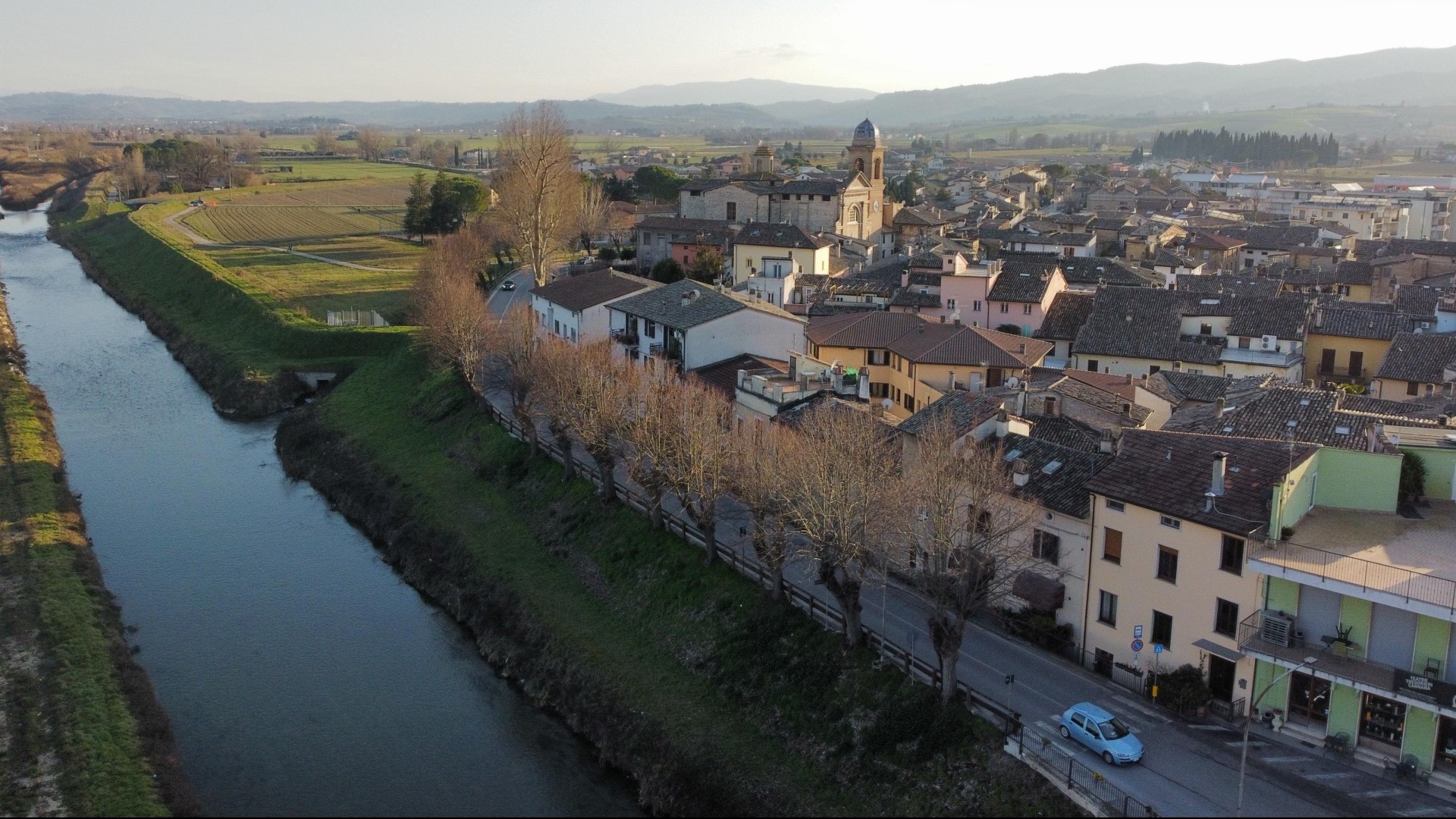
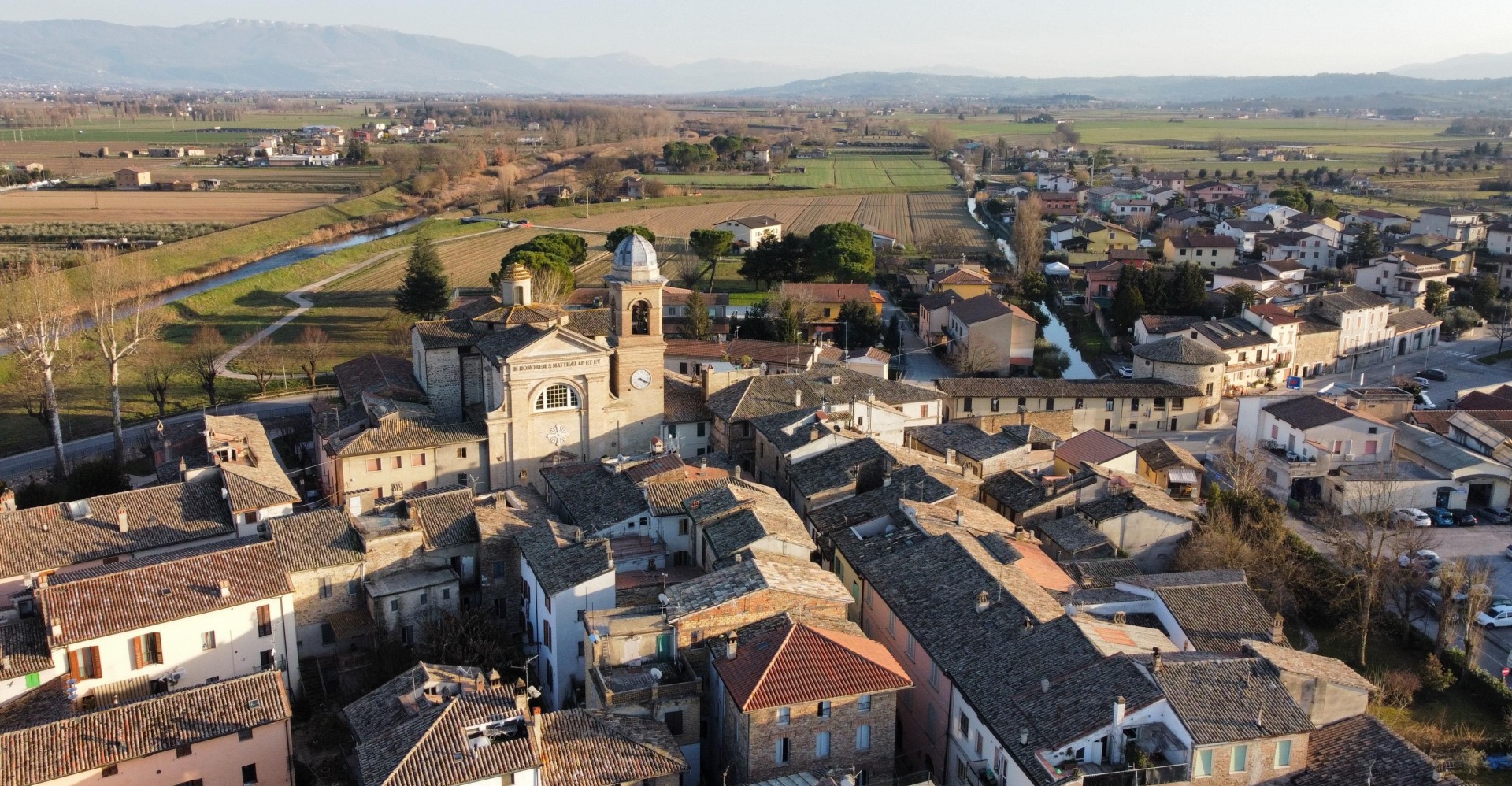
Town of Cannara
Cannara is a small municipality of about 4,200 inhabitants located at the center of the Umbra Valley, along the left bank of the Topino River. According to tradition, the name "Cannara" derives from the abundance of reed beds-spontaneous vegetation that once grew in the marshy areas of the Topino River and still persists today.
The first settlements, according to historians, date back to around the year 1000, following reclamation works carried out by the Benedictines, whose presence is evidenced by the many abbeys in the surrounding territories.
In the early 1200s it was a fortified castle defended by high walls; it later became a municipality with an urban and territorial identity strong enough to enter into conflict with the expansionist ambitions of nearby Assisi.
Recognizing its inferiority in strength against the city of Saint Francis, the Council decided to submit to Perugia in exchange for protection, becoming a fief of the powerful Baglioni family, who ruled until 1648, the year of the death of Malatesta V, the last descendant of the dynasty.
It later became part of the Papal States until the founding of the Kingdom of Italy.
Cannara was one of the favorite destinations of Saint Francis: here he founded the Third Order, a group of laypeople committed to living according to Franciscan principles; just outside the historic center, in Piandarca, the famous miracle of the "Sermon to the Birds" took place.
Today the first open-air Franciscan sanctuary stands on this site.
Contacts and how to get here
Town of Cannara
Website: www.comune.cannara.pg.it
Phone: 0742 731 811
Email: segreteria@comune.cannara.pg.it
Facebook: www.facebook.com/comunedicannara/?locale-it_IT


Photogallery




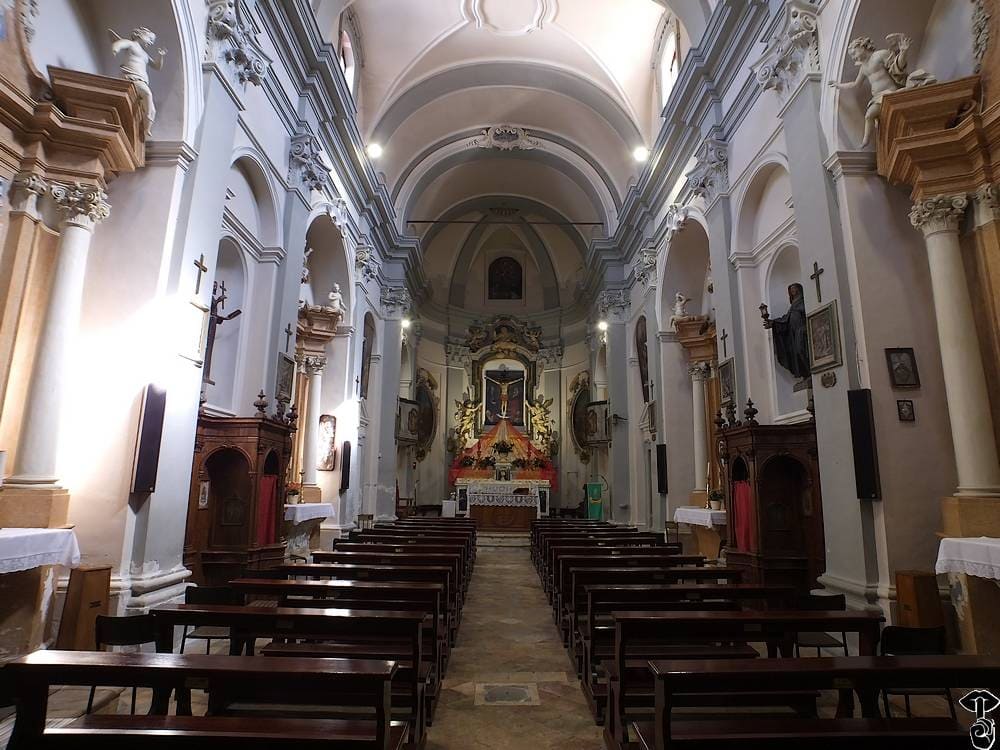
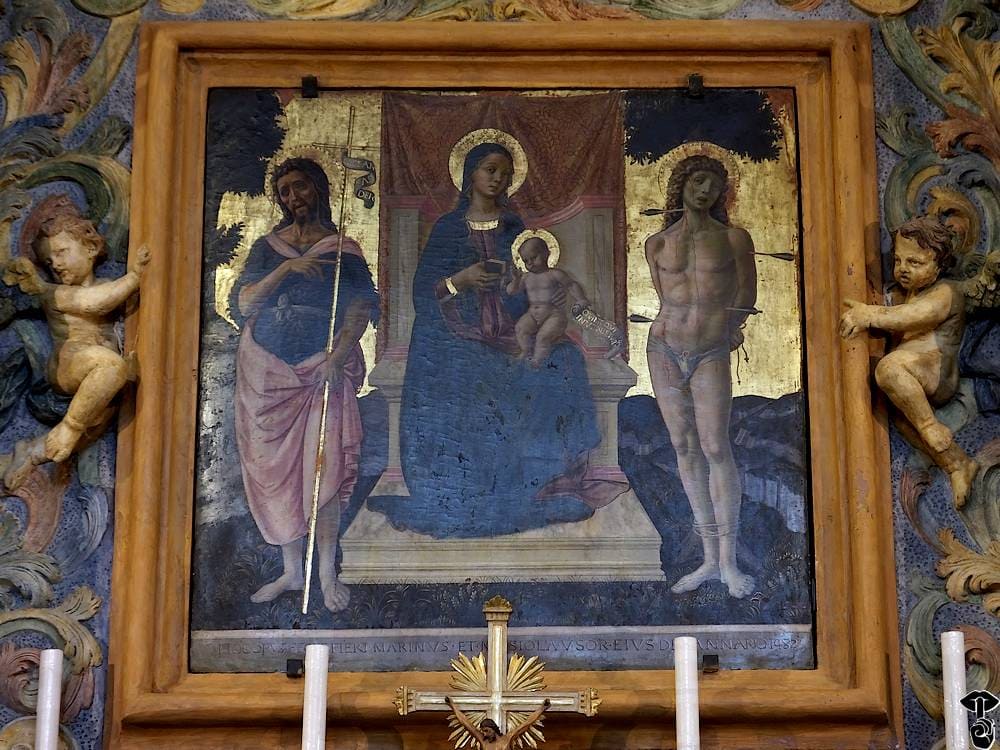


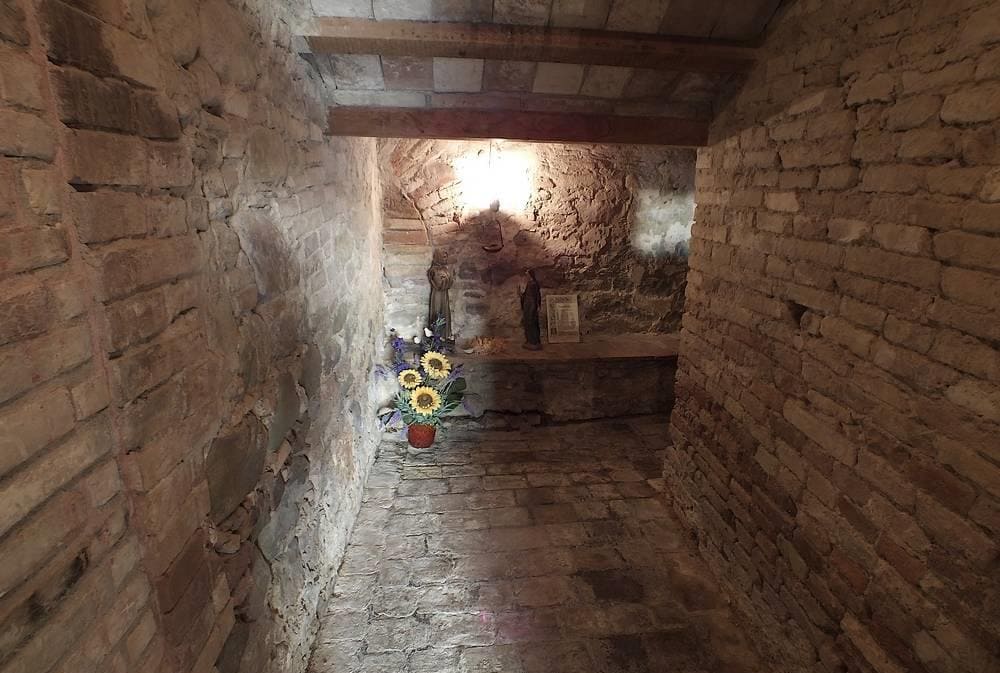


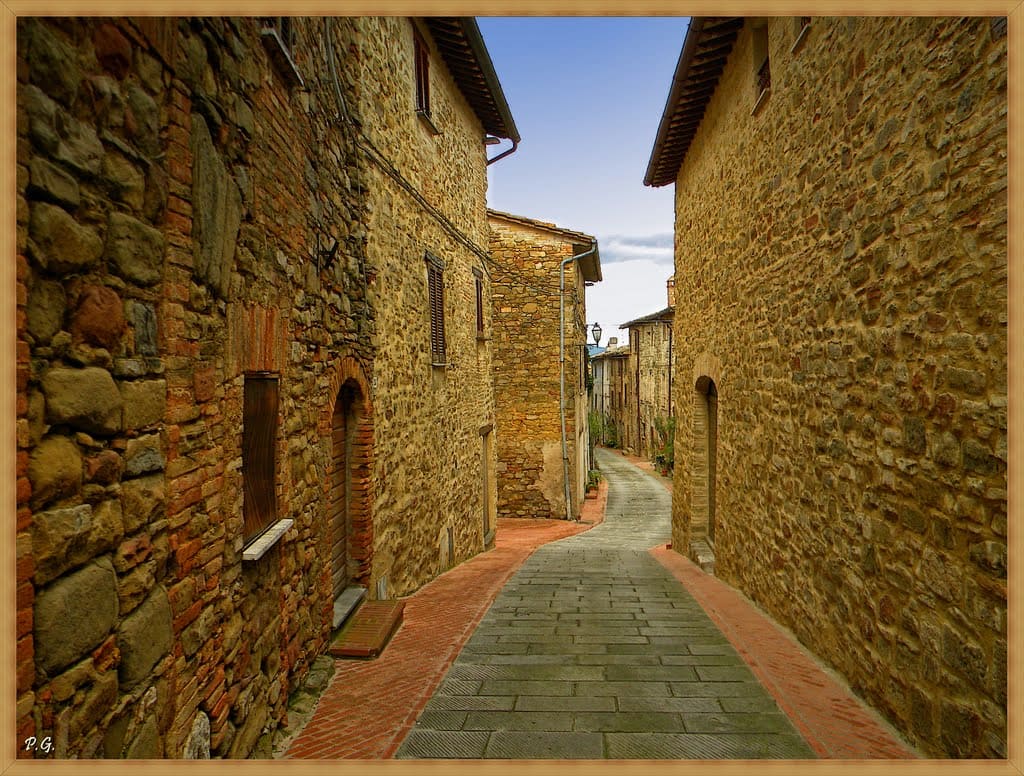
Onion Festival: First two weeks of September. The Onion Festival is undoubtedly the most important time for the promotion of the area, a period in which the tasting of the onion, the typical product of our territory, is accompanied by cultural, sporting, musical, and artistic events.
Feast of Sant'Antonio Abate (Saint Anthony the Abbot): In January with the blessing of animals and a subsequent procession; distribution of sausage sandwiches and the traditional "rocce", which are ring-shaped cakes with raisins and anise.
Feast of San Biagio (Saint Blaise): In February with traditional games and skill contests in the town squares and streets, and the usual distribution of "rocce" and local desserts.
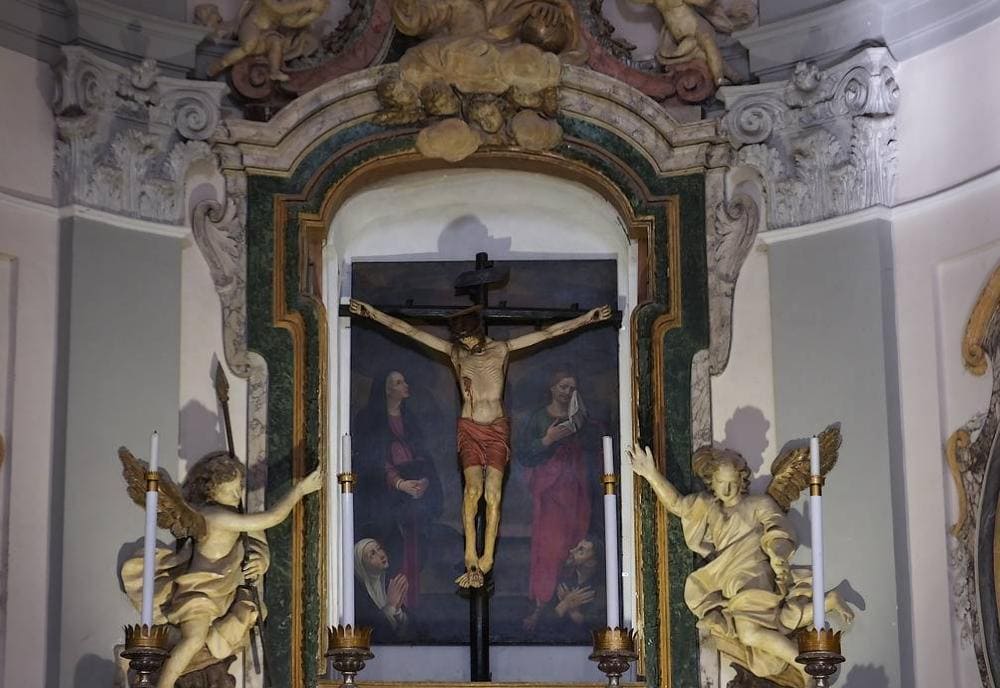
Good Friday Procession: The fifteenth-century statue of the Dead Christ, with jointed arms and made up of five layers of linen cloth, is carried in a procession through the streets of the town, illuminated only by the faint glow of torches.
The "Rinchinata" (The Bow): On Easter Sunday afternoon. The Risen Christ meets Mary, his mother, in Piazza San Matteo. The meeting and the subsequent bow must be performed in perfect synchrony. The success of this ritual is used to draw omens for the summer harvest.
The Vernaccia Wine Festival: Towards the end of April.
The Infiorata (Flower Carpet): On the day of Corpus Domini.
The Wine Festival: In Collemancio, in the month of July.
The "Cipolla Winter" (Onion Winter): In the beginning of December.
Christmas-related events.